
Smart factories use interconnected technology in order to gain greater productivity, quality, and faster decision-making. These innovative developments include remote monitoring, which has turned out to be crucial for companies that want to raise their operational efficiency without creating more complexity. Using remote tracking helps companies gather real-time data from machines and sensors, thus giving them the ability to have instant access to valuable information about the operations of their plants irrespective of the distance. This way, organizations can react instantly and efficiently.
Real-Time Visibility Improves Operational Control
Among the many benefits that remote monitoring offers is the availability of consistent visibility through every phase of production. Rather than depending on occasional inspections and manually submitted reports, the manufacturer can have access to live performance data through its connected machines at any given point in time. Updates are provided to the operator, supervisor, and maintenance staff to enable them to determine the status of the machine, rate of production, and other information about the process.
In this way, it becomes possible to spot any anomalies before they become a problem in the process of manufacturing. Quick availability of information ensures coordinated work among different departments and also helps the management to make decisions promptly, rather than depending on reports which take time to be prepared.
Predictive Maintenance Reduces Downtime
Equipment malfunctions may interfere with manufacturing processes, add costs for maintenance, and delay deliveries to clients. Remote tracking allows manufacturers to go beyond reactive maintenance, recognizing early signals of any arising mechanical or operational issues.
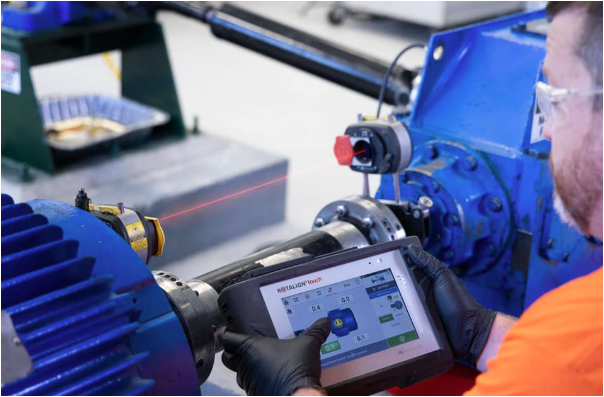
Sophisticated sensors constantly monitor parameters like vibrations, temperatures, pressures, and operating conditions. Intelligent analysis is applied to interpret the received data and reveal certain patterns related to wear or malfunctioning. It becomes possible for maintenance crews to schedule maintenance activities in a planned way rather than reacting to any equipment breakdowns. Such an approach not only cuts down expenses but also avoids the unnecessary inspection of the equipment and replacement of functional parts.
Improving Equipment Life and Reliability
The role of remote monitoring is important in extending the life of machines since such monitoring is used to determine the conditions under which machinery works that cause early wear and tear. Remote tracking makes it possible for the maintenance team to detect changes in the performance of equipment long before any mechanical problems occur. Rather than being based on predetermined time periods, maintenance is carried out as and when the need arises based on equipment condition.
To achieve these benefits, manufacturers should choose the best remote vibration monitoring solutions that provide accurate diagnostics, continuous condition tracking, and reliable alerts. High-quality monitoring systems support long-term equipment reliability while helping maintenance teams make confident, data-driven decisions that reduce repair costs and improve asset performance.
Better Data Leads to Smarter Business Decisions
Manufacturing produces tremendous amounts of data on a daily basis; however, without having the ability to make decisions, such data have no value whatsoever. Remote tracking turns information into data-driven decisions that enable organizations to enhance productivity, quality, and resource use.
The analysis of past trends allows identifying problems associated with production processes, while performance dashboarding makes it possible to find areas where process optimization is needed. Managers will be able to analyze how efficiently machines work, assess production performance, and detect bottlenecks in various plants by comparing their performance through similar indicators.
Enhanced Safety and Greater Operational Flexibility
Remote monitoring promotes safety in the manufacturing process by eliminating the need to conduct inspections in hard-to-reach places where risks may be high. Rather than conducting inspection procedures on machines in tough conditions, the maintenance team would be able to assess the state of the machines remotely and intervene only where necessary.
Such an ability would make the processes of work safer, while at the same time providing experienced specialists with the opportunity to operate several plants without traveling all the time. Troubleshooting is faster with remote access, which allows production teams to solve problems as smoothly as possible. Even during times of understaffing or difficulties in operation, centralized monitoring remains available, enabling effective functioning of essential processes.
In today’s world, remote tracking has become one of the key technologies utilized in smart factories due to the combination of such elements as real-time visibility, predictive maintenance, better machine reliability, data analytics, and improved occupational safety. With the further evolution of industries through automation and digitization, those companies that implement remote monitoring will be well equipped to boost efficiency and cut down costs.