
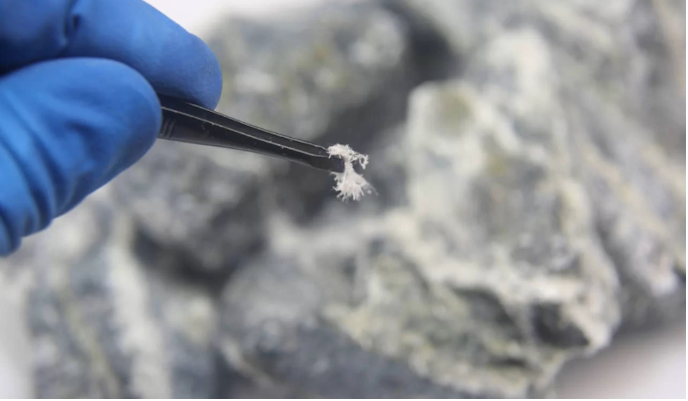

Asbestos was widely used in building materials throughout much of the twentieth century before its links to serious respiratory diseases including mesothelioma and asbestosis were fully established. Millions of older properties contain asbestos-bearing materials that pose no immediate risk when left undisturbed but become extremely hazardous when damaged, disturbed, or removed without proper precautions. Engaging a qualified asbestos removalist is the only safe and legally compliant way to address asbestos-containing materials in a property.
Where Asbestos Is Commonly Found in Older Buildings
Asbestos was incorporated into a remarkably wide range of building products during its period of widespread use. Ceiling tiles, floor tiles, pipe insulation, roof sheeting, textured coatings, fire doors, electrical insulation panels, and external cladding materials all commonly contained asbestos in buildings constructed before the 1980s. Identifying whether specific materials contain asbestos requires laboratory analysis of samples collected by trained surveyors. Visual inspection alone cannot distinguish asbestos-containing materials from superficially similar products that do not contain asbestos, making professional survey work an essential first step in any assessment.
The Health Risks That Make Professional Removal Essential
When asbestos-containing materials are disturbed, they release microscopic fibers that can remain suspended in air for extended periods and are inhaled without the person being aware of any exposure. These fibers accumulate in the lungs and other tissues, where they can cause serious diseases that typically develop decades after exposure. Mesothelioma, asbestosis, and asbestos-related lung cancer are all associated with asbestos fiber inhalation, and there is no safe level of exposure that can be definitively established. These health risks apply to both occupants of affected buildings and workers who carry out improper removal without adequate protection.
Legal Requirements Surrounding Asbestos Removal
Asbestos removal is subject to stringent legal requirements in most jurisdictions, reflecting the serious public health risks associated with improper handling. In the United Kingdom and many other countries, licensed contractors must carry out the removal of higher-risk asbestos materials, and all removal work must comply with regulations governing notification, personal protective equipment, containment, air monitoring, and waste disposal. Property owners who engage unlicensed contractors or attempt DIY removal face substantial legal penalties and expose themselves to significant civil liability if others are harmed by asbestos fiber releases resulting from non-compliant work.
What to Expect from a Professional Asbestos Removal Project
A professional asbestos removal project begins with a thorough survey and risk assessment that identifies the type, condition, and extent of asbestos-containing materials present. The removal team establishes appropriate containment measures, including physical barriers and negative air pressure systems, to prevent fiber release into occupied areas of the building. Personal protective equipment, including respirators and disposable coveralls, is worn throughout the work. Removed materials are sealed in clearly labeled asbestos waste bags and transported to licensed disposal facilities. Air monitoring during and after the work confirms that fiber levels have returned to acceptable background concentrations.
Choosing a Qualified and Licensed Removalist
Selecting an asbestos removalist should begin with verification of the contractor’s licensing status with the relevant regulatory authority. Licensed removalists are required to maintain training, insurance, and compliance systems that unlicensed operators do not. Request evidence of current licensing, public liability insurance, and experience with projects of comparable scope and material type. Be cautious of contractors who offer unusually low prices, as cost-cutting in asbestos removal frequently comes at the expense of safety and compliance standards that protect both workers and building occupants.
Conclusion
Asbestos removal is one of the highest-stakes property maintenance decisions a building owner can face, with consequences for health, legal compliance, and property value all at stake. Professional removalists bring the training, equipment, licensing, and regulatory knowledge needed to carry out this work safely and compliantly. There is no responsible alternative to professional removal when asbestos-containing materials must be disturbed, and no price differential that justifies the health and legal risks of taking any other approach.