

Investing in your home is a journey that requires a balance between immediate aesthetic gratification and long-term structural integrity.
While surface-level renovations can provide a quick boost in visual appeal, true home improvement focuses on the underlying systems that keep a property safe, efficient, and valuable over many decades.
A strategic approach to maintenance and upgrades not only enhances your daily living experience but also prevents the gradual deterioration that can lead to astronomical repair costs in the future.
By prioritizing high-quality materials and professional techniques, you can ensure that your residence remains a reliable and comfortable sanctuary for the long haul.
Protecting Structural Integrity Through Crawl Space Encapsulation
Many homeowners overlook the area beneath their feet, yet the condition of the foundation is critical to the health of the entire building. Implementing a thorough crawl space encapsulation is one of the most effective ways to prevent moisture-related issues such as wood rot, mold growth, and pest infestations.
By sealing the area with a heavy-duty vapor barrier and controlling the humidity, you create a dry environment that stabilizes the wooden supports of your home.
This process also improves the indoor air quality by preventing damp air and allergens from rising into the living spaces, while simultaneously increasing the energy efficiency of your heating and cooling systems.
Ensuring Weather Resistance With Timely Roof Repair and Care
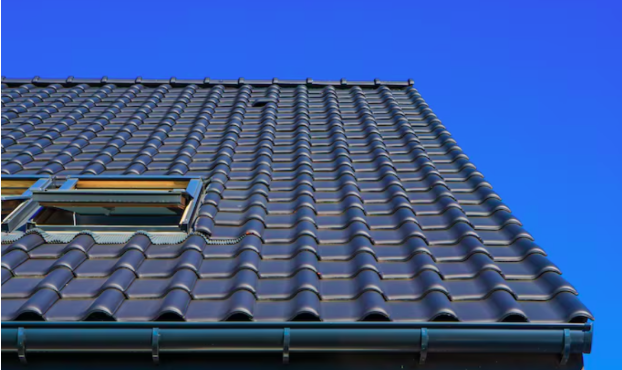
The roof is the primary shield against the elements, and its condition dictates the longevity of the interior finishes. Ignoring minor leaks or missing shingles can quickly escalate into widespread water damage and structural decay.
Prioritizing a professional roof repair as soon as vulnerabilities are identified is essential for maintaining a watertight seal. Beyond simple fixes, long-term improvement involves regular inspections to clear debris and check for signs of wear after major storms.
A well-maintained roof not only protects your financial investment but also contributes to the curb appeal and overall market value of the property.
Upgrading to High-Efficiency Window Systems
Windows play a significant role in a home’s thermal envelope. Replacing old, single-pane units with modern double or triple-pane glass can drastically reduce energy consumption.
These high-efficiency systems prevent drafts during the winter and keep the interior cool during the summer, placing less strain on your mechanical equipment.
Furthermore, modern windows often come with advanced locking mechanisms and sound-dampening properties, enhancing both the security and the tranquility of your home environment.
Implementing Smart Home Technology for Better Management
Integrating technology into your infrastructure is a forward-thinking way to simplify home management. Smart thermostats, leak detectors, and automated lighting systems allow you to monitor your home’s status even when you are away.
These tools provide real-time data that can alert you to potential issues, such as a sudden drop in temperature or an unusual water flow, before they cause significant damage. By embracing these digital upgrades, you make your home more responsive and easier to maintain over time.
Focusing on Timeless and Durable Interior Finishes
When choosing materials for floors, countertops, and cabinetry, it is wise to prioritize durability over fleeting trends. Hardwood flooring, natural stone, and high-quality metal fixtures tend to age gracefully and can be refinished rather than replaced.
Investing in timeless designs ensures that your home remains stylish and relevant for years to come. Durable finishes can withstand the rigors of daily life, particularly in high-traffic areas, reducing the frequency of renovations and maintaining a high standard of luxury.